

The Link Between Gut Health and Fertility
Gut health has been given a vast amount of praise in the media recently. Some have touted the gut as the “second brain”.
The gut microbiome seems to have an effect on our entire body and mind. So, it is not surprising to learn that there may be an important link between fertility and gut health.
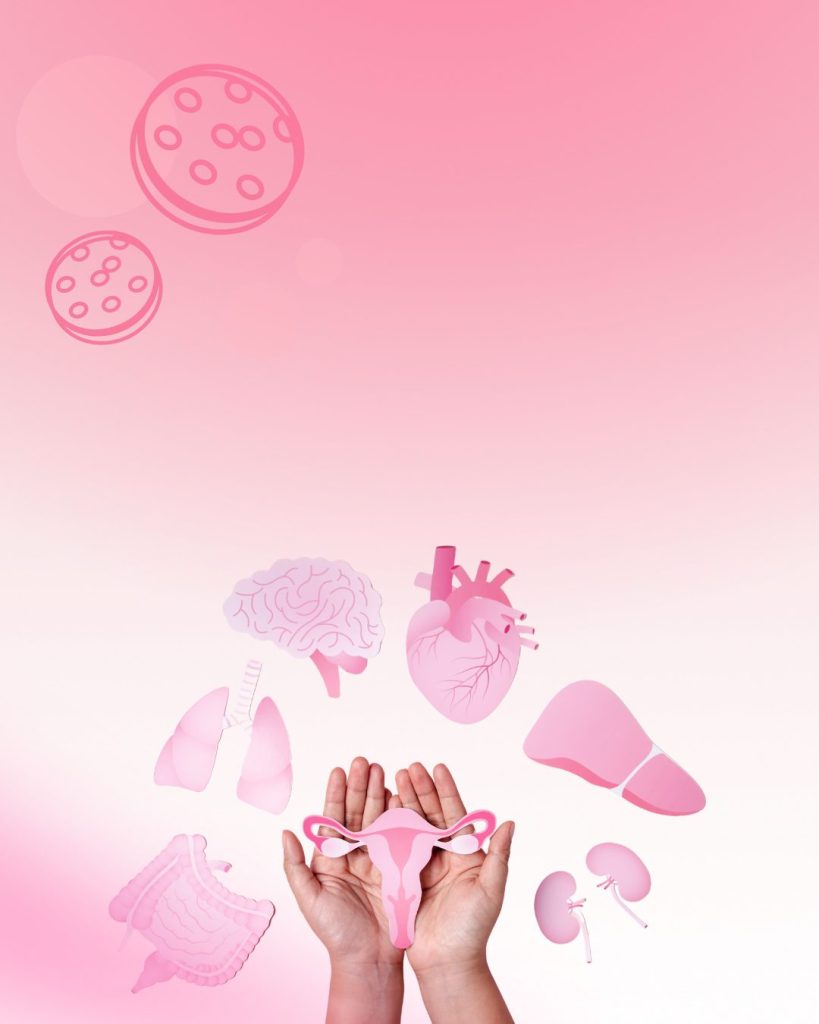
Research has suggested that when the gut microbiome is unbalanced, it may contribute to general inflammation throughout the body, potentially affecting the reproductive system. Inflammation may affect how hormones work and could contribute to decreased sperm quality, irregular periods and difficulty ovulating.
Research by Munyoki et al. (2025) suggested that an imbalance in the gut microbiome may be associated with PCOS, endometriosis and reduced ovarian reserve.
The hormone oestrogen has a starring role in fertility. Oestrogen is mainly metabolised in the liver, but gut bacteria also play a role in how it is processed and recycled in the body. If the gut microbiome is imbalanced, this may affect circulating oestrogen levels, potentially influencing hormonal balance and reproductive health.
Studies conducted on animals have suggested that beneficial compounds produced by gut bacteria, particularly short-chain fatty acids (SCFAs), may help protect ovarian function and slow reproductive ageing.
These findings are promising, very promising, and supporting a well-balanced gut through healthy lifestyle choices is generally beneficial. However, much of the evidence currently derives from animal studies and observational research. There need to be further human clinical trials to establish whether improving gut health can directly improve fertility. Nevertheless, this emerging research highlights the potential importance of supporting a healthy gut microbiome as part of preconception care (Munyoki et al., 2025).
What can we do to improve gut health?
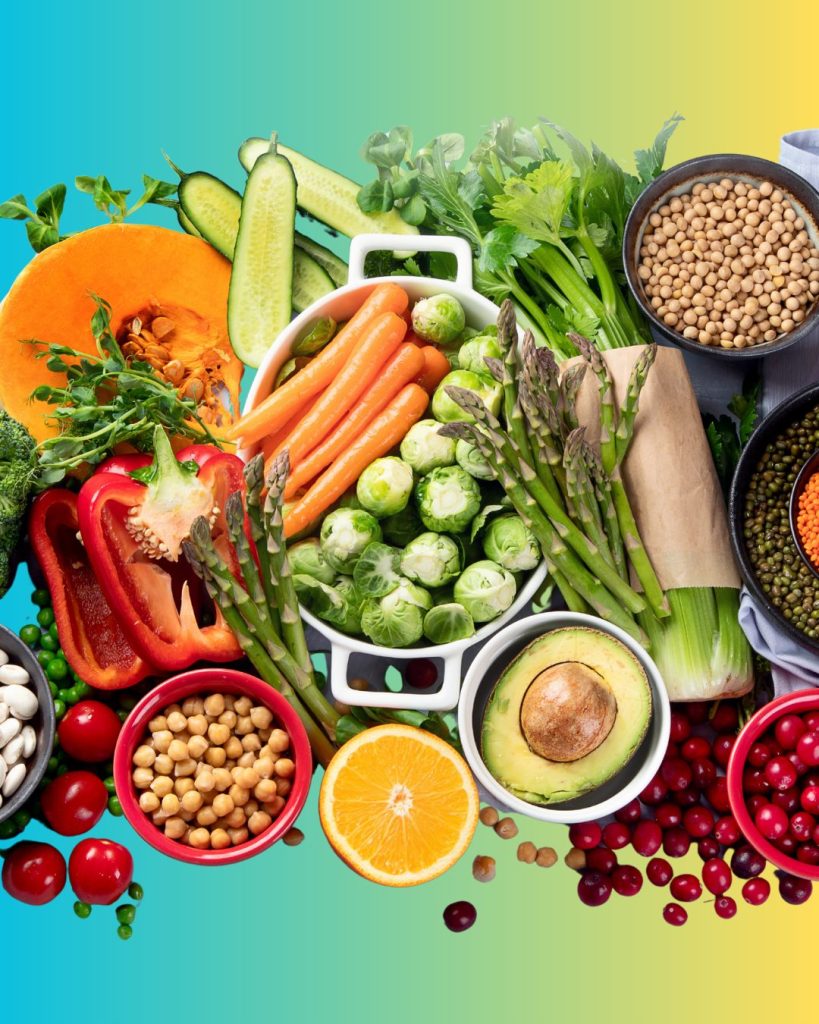
The first is, as always… a well-balanced diet. The gut loves a variety of fruits, vegetables, whole grains, lean proteins and fermented foods. These foods can help encourage the growth of beneficial bacteria, as well as providing important nutrients.
Probiotics and prebiotics can affect the gut microbiome. Probiotics can be taken as supplements or found in some foods, such as live yoghurt and kefir. Prebiotics feed the good bacteria and can be found in some fruits, vegetables and whole grains.

It is not just what we eat that affects the gut; it is the entire holistic approach. Reducing stress may help support the gut-brain axis and encourage a healthy gut microbiome. Engaging in stress-reducing activities such as exercise, meditation and mindfulness can support general wellbeing and may positively influence gut health. These practices may help regulate the gut-brain axis, although their direct effects on fertility through the microbiome are not yet established.
Antibiotics are essential in some situations. It is important to take them when they are prescribed to you by your healthcare provider. However, overusing or misusing antibiotics can have effects on the gut microbiome. Antibiotics can kill both harmful and beneficial bacteria, potentially disrupting the balance of the gut microbiome. Always consult with your healthcare provider before making a decision about antibiotic use.
Disclaimer: This article is for educational and informational purposes only and is not intended to replace professional medical advice. If you have concerns about your fertility or reproductive health, please consult a qualified healthcare professional.
Reference
Munyoki, S.K., Vukmer, N., Rios, J.M., Kallen, A. and Jašarević, E. (2025) ‘From gut to gamete: how the microbiome influences fertility and preconception health’, Microbiome, 13, article 195.
https://doi.org/10.1186/s40168-025-02230-7
Graphic Design by Zay Newby-Watts