

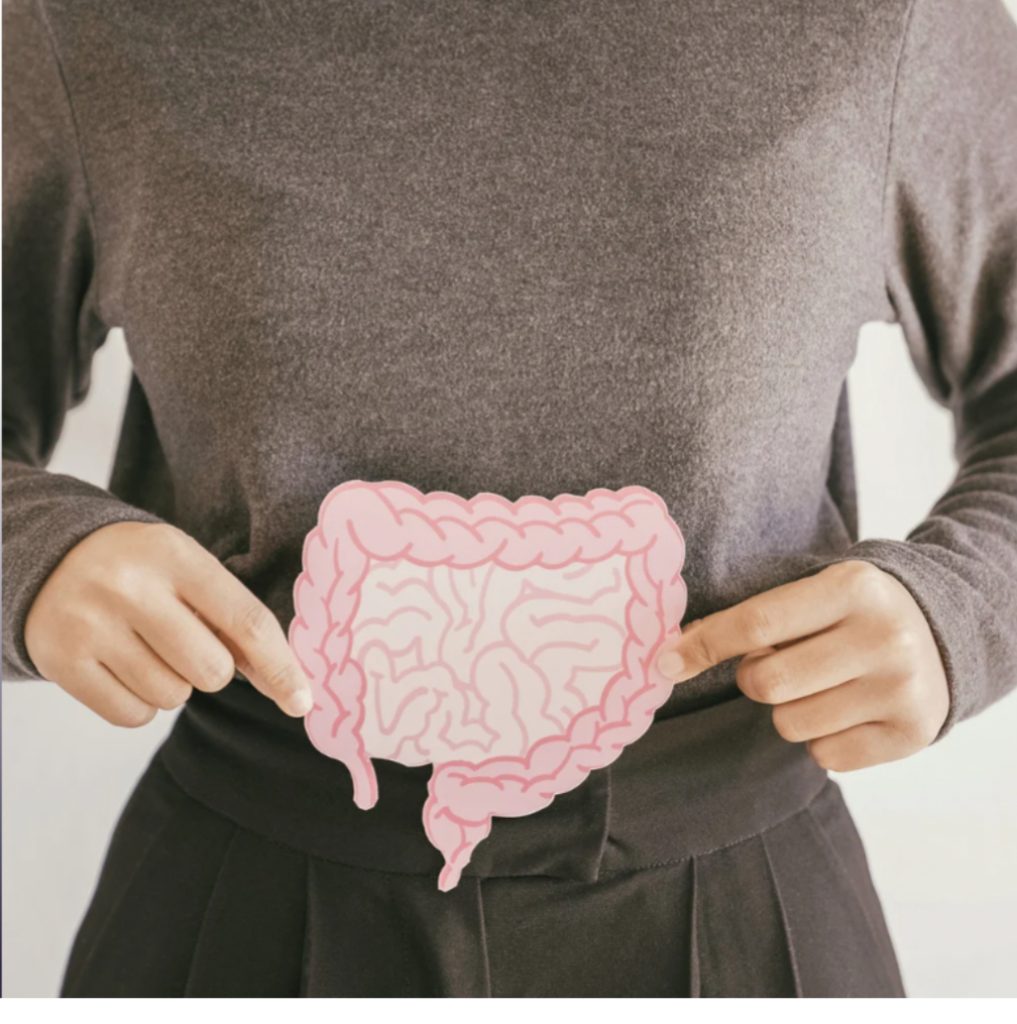
If you’re anything like me, you’ve probably explored every gut health hack available! Your cupboard is stocked with every fermented condiment imaginable, your supplements boast every strain of bacteria known to science, and your fridge resembles a vibrant organic garden (OK, now I am exaggerating a bit!). But you might be wondering, is there anything else you can do? Here are some more bizarre and unconventional ways to improve your gut health that you may not have thought of.
10. Faecal Transplant
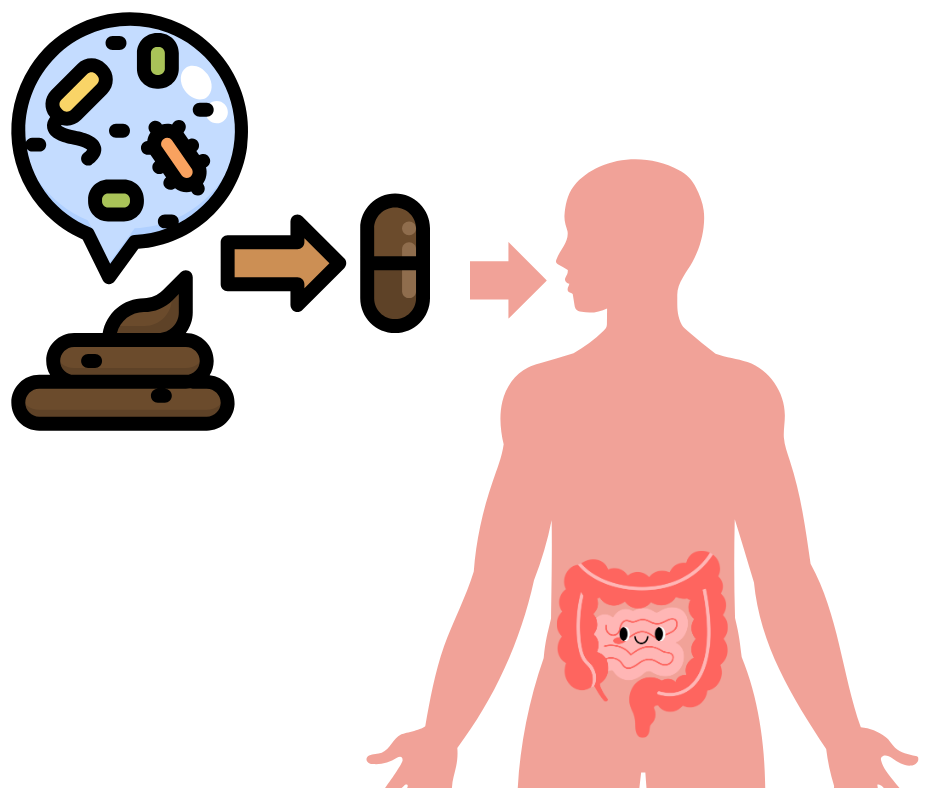
This method, in which stool from a healthy donor is transferred into your gut, restores the microbial balance. While not appropriate for your average mild gut dysbiosis, this method does show efficacy in treating diarrhoea caused by a particular bacteria called Clostridioides difficile (C diff), and can be used to treat Ulcerative Colitis symptoms.
9. Tongue Scraping
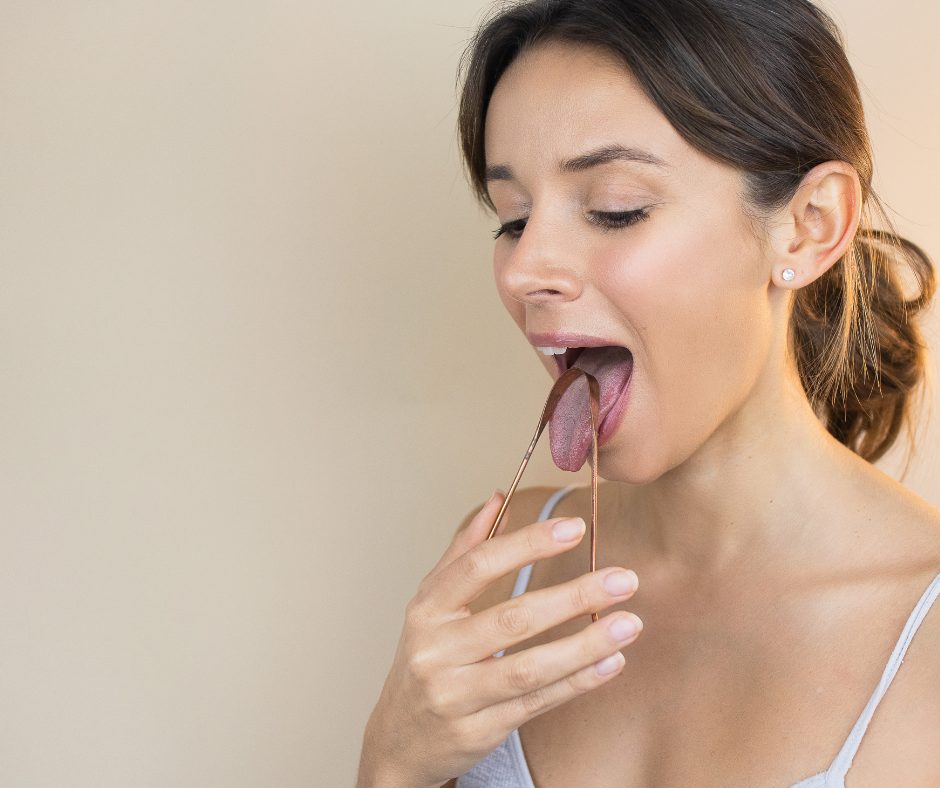
An age-old practice, tongue scraping removes bacteria and debris from the surface of the tongue. Tongue scraping supports gut health by reducing the oral bacterial load before it can travel into the digestive tract, helping to maintain a healthier balance of microbes in the gut. By removing built-up debris, toxins, and harmful bacteria from the tongue’s surface, it enhances the early stages of digestion, supports enzyme activity in the mouth, and may help lower inflammation linked to poor oral hygiene. However, a potential downside is that overly aggressive or excessively frequent scraping may also remove some beneficial oral bacteria, so it’s best practiced gently and consistently rather than forcefully.
8. Intermittent Fasting
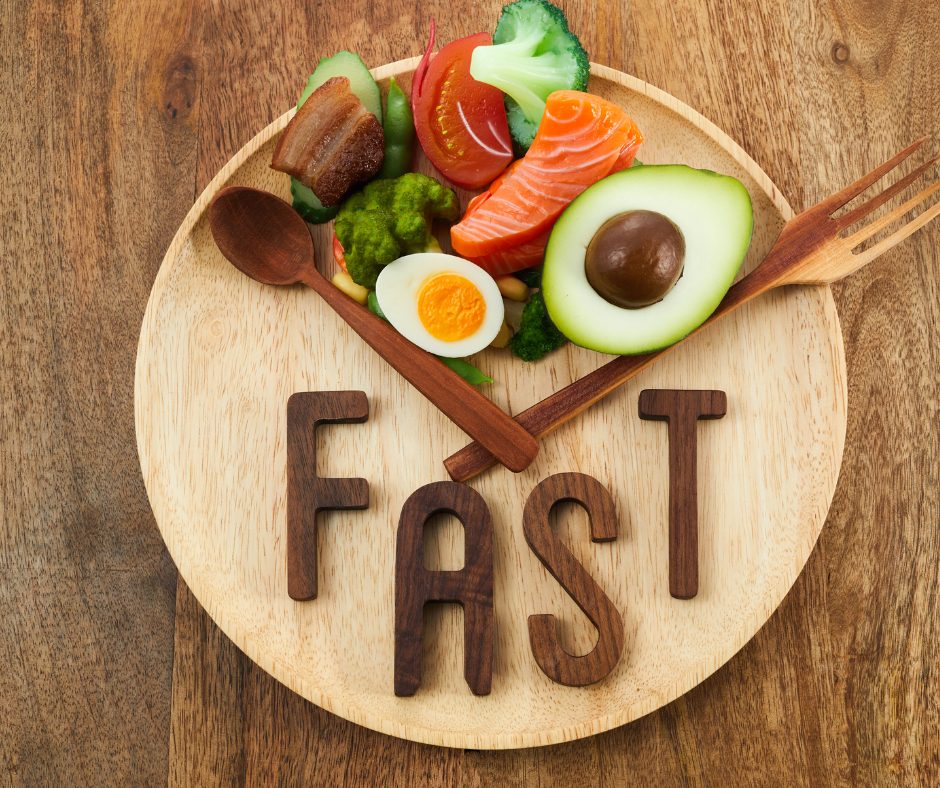
Initially, I just assumed consuming probiotic and prebiotic foods was the most efficient way to promote good bacteria in your gut. After doing research I realised that actually giving your digestive system a break, through intermittent fasting can promote beneficial changes in your gut microbiome. This method encourages the growth of good bacteria while allowing your gut to reset.
7. Cold Exposure

This one, I am not fond of! I like the warm too much!
Engaging in cold exposure, such as cold showers or ice baths, could influence your gut bacteria. While the research is still evolving, Zhou et al. (2024) highlight that cold exposure can disrupt gut microbiota diversity and influence metabolic and thermogenic pathways.
6. Pet Ownership

Caring for pets, particularly dogs, has favourable implications for the human gut microbiome by promoting exposure to a wider spectrum of environmental microbes. Research shows that individuals who own pets exhibit more microbial diversity, a key marker of gut and immune health. Having daily close contact and shared living environments allows microbes to move bidirectionally between humans and animals: indeed, pets and their owners often develop similar microbiota-related conditions (Rindels & Loman, 2024). Furthermore, pets promote behaviours including outdoor activity and stress reduction, both of which have been shown to promote a healthy and resilient gut microbiome.
5. Breath Test
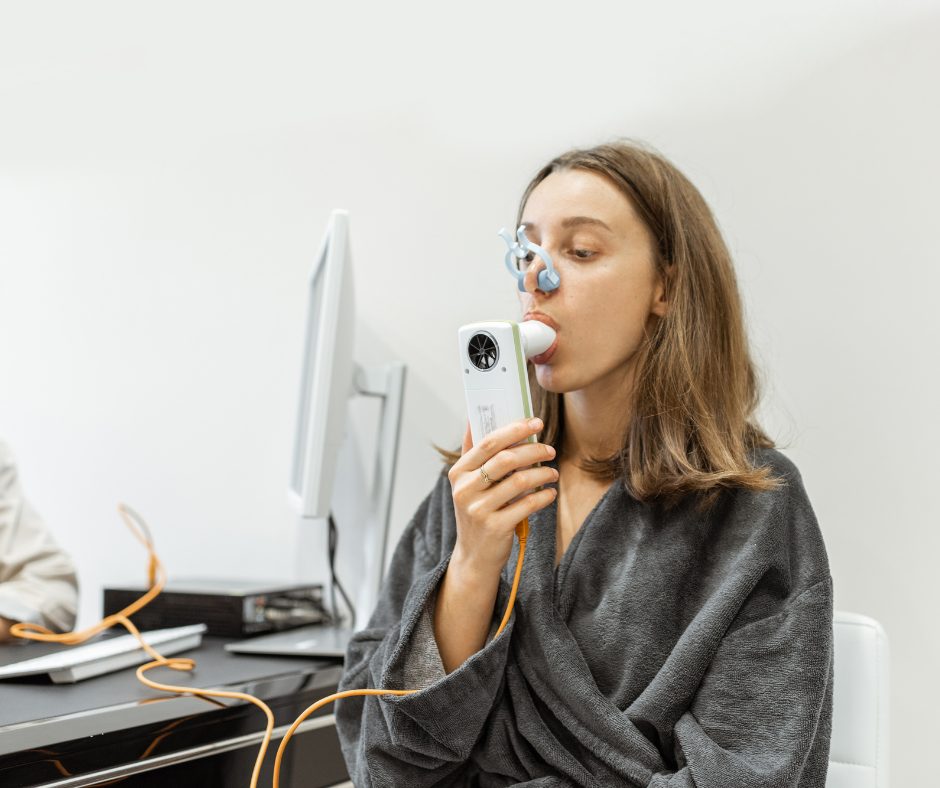
Using a breath test to measure gases produced by gut bacteria can reveal how well your digestive system processes certain foods. This unique method can provide insights into your gut health.
4. Stool Sample Analysis
Sending a stool sample for analysis might feel strange, but it’s an effective way to assess your gut microbiome’s composition. These tests can reveal the diversity and types of bacteria present in your gut.
3. Eat a Chilli Pepper
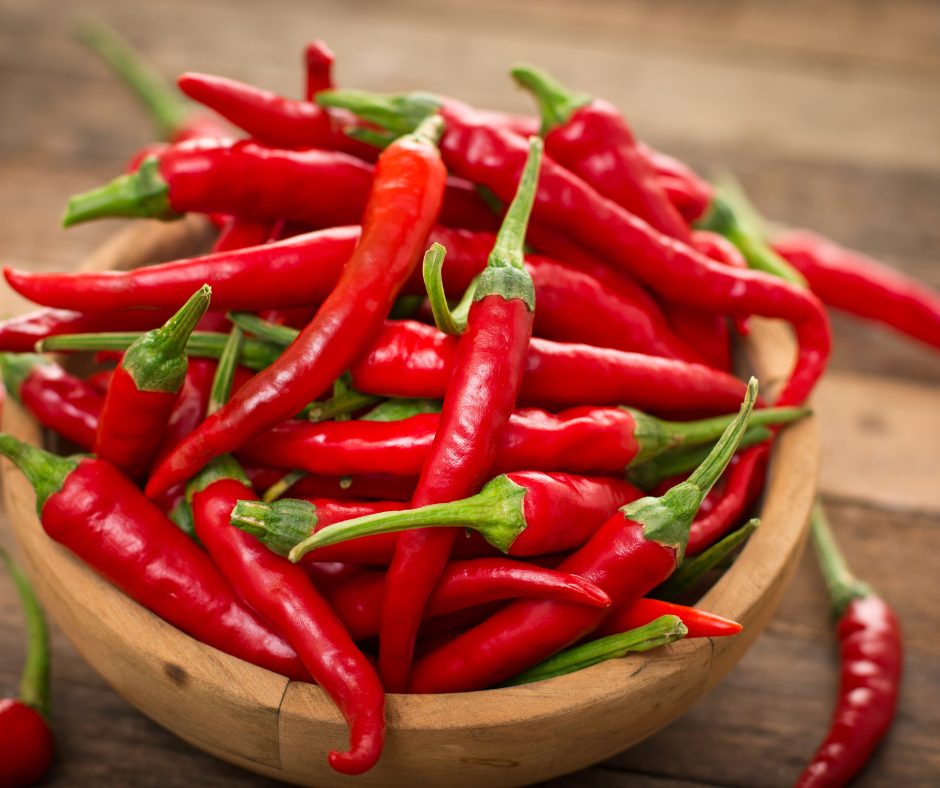
This one is for my fellow chilli lovers. For me, eating a chilli pepper is pure bliss, though I appreciate that for some it would be absolute hell. The active compound in chilli, capsaicin, has been shown to support gut health by positively influencing the gut microbiota, reducing inflammation, and enhancing metabolic function. Research suggests that capsaicin can help modulate gut bacterial composition, reducing dysbiosis and promoting species associated with healthier metabolic and immune responses (Rosca et al., 2020).
2. Mindful Eating Practices
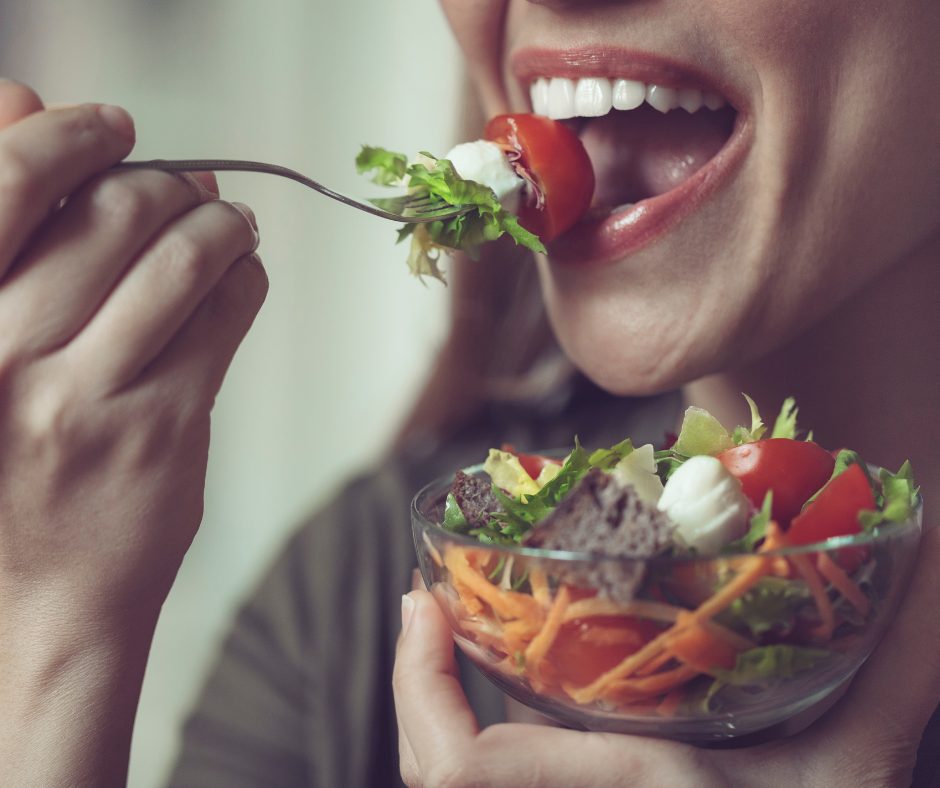
Practicing mindfulness while eating, focusing on textures, flavours, and chewing slowly, can improve digestion and create a healthier environment for your gut bacteria.
1. Nature Exposure

Research by Robinson and Breed (2023) indicates that spending time outdoors can positively influence the gut microbiome through multi-sensory interactions with nature. These experiences, encompassing visual, auditory, and tactile stimuli, may enhance immune regulation and reduce stress, activating pathways that alter microbiome composition.
References
Guy’s & St Thomas’ NHS Foundation Trust, Faecal microbiota transplantation (FMT) – overview. Available at: https://www.guysandstthomas.nhs.uk/health-information/faecal-microbiota-transplantation-fmt
Rindels, J.E. & Loman, B.R. (2024) ‘Gut microbiome – the key to our pets’ health and happiness?’, Animal Microbiome, 6(1). Available at: https://www.ncbi.nlm.nih.gov/pmc/articles/PMC11188957/
Robinson, J. M., & Breed, M. F. (2023). Beyond microbial exposure and colonization: multisensory shaping of the gut microbiome. PMCID: PMC12542626, PMID: 40990521.
Rosca, A.E., Iesanu, M.I., Zahiu, C.D.M., Voiculescu, S.E., Paslaru, A.C. & Zagrean, A-M. (2020) ‘Capsaicin and gut microbiota in health and disease’, International Journal of Molecular Sciences, 21(23), p. 9226. Available at: https://www.ncbi.nlm.nih.gov/pmc/articles/PMC7730216/.
Sorbito, A. (2024) ‘Tongue scraping and digestion: the gut‑oral health connection’, B.WEISS Health Blog, 20 March. Available at: https://bweisshealth.com/blogs/oral-health-blog/tongue-scraping-and-digestion-the-gut-oral-health-connection
Zhou, E., Zhang, L., He, L., Xiao, Y., Zhang, K. & Luo, B. (2024) ‘Cold exposure, gut microbiota and health implications: A narrative review’, Science of the Total Environment, 916, 170060. doi:10.1016/j.scitotenv.2024.170060.