


Magnesium is like magic! This tiny mineral plays a critical role in physiological processes, extending well beyond its relevance to mental health. It is often given to the mother intravenously before the delivery of a premature baby to protect the brain and improve lung health and it is used in cases of severe asthma attacks. More to the point, magnesium is emerging as a critical component in the management of various mental health disorders. A systematic review carried out by Botturi et al. (2020) sheds light on the relationship between magnesium levels and mental health, particularly focusing on its potential therapeutic effects in conditions like depression.
Understanding Magnesium’s Importance
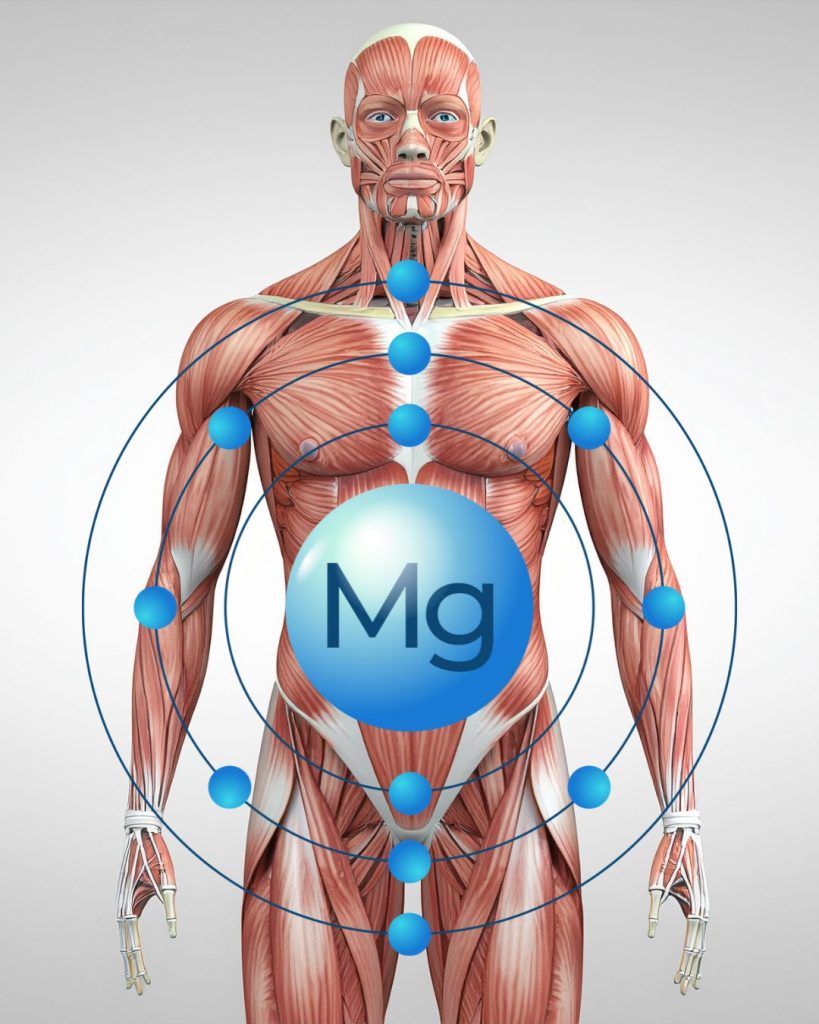
Magnesium is an essential mineral that plays a vital role in over 300 numerous bodily functions, including nerve transmission and intracellular signalling in the central nervous system. People with mental disorders, especially depression, often present with low magnesium levels. This correlation raises some interesting questions about whether increasing magnesium intake could alleviate depressive symptoms.
Magnesium Depletion and Stress.
The effect that stress has on levels of magnesium in the body is remarkable. The secretion of the stress hormone cortisol increases with chronic stress and can stimulate the kidneys to excrete magnesium. When magnesium is depleted, anxiety and depression worsen. A study by Watanabe et al. (2015) emphasises mental stress and magnesium deficiency that causes this neurotransmitter imbalance, predisposing people to mood disorders. However, magnesium is not a first-line treatment for mental health conditions; it is prescribed to correct deficiency, which can present with symptoms that closely mirror depression and anxiety.
Major depression is a significant mood disorder causing long term sadness, loss of interest in activities, and significantly impacts activities of daily living. The symptom presentation consists of sleep/appetite changes, low energy, lack of concentration, worthlessness, and sometimes suicidal thoughts. The limitations of antidepressant medications, some of which may even increase suicide risk, pinpoint the urgent need for alternative treatments. Magnesium deficiency is a well-documented factor that contributes to neuropathologies associated with depression.
Recent Research on Depression
Case histories presented by Eby and Eby, (2006) demonstrate rapid recovery from major depression within a week using magnesium supplementation (125-300 mg as glycinate and taurinate). In their findings, they observed that magnesium treatment not only alleviated depressive symptoms but also positively impacted related mental health issues, including anxiety, insomnia, and substance abuse. The authors argue that dietary magnesium deficiencies, coupled with high calcium intake and stress, may lead to a range of mental health symptoms, highlighting the importance of addressing magnesium deficiency in combating major depression and other mental health problems.
Magnesium as a Public Health Concern
Magnesium levels in the modern diet have significantly declined, posing a public health concern. Many individuals consume diets that provide insufficient magnesium, with studies indicating that approximately 70% of people in the United States do not meet the recommended daily intake of 400 mg. This deficiency is further exacerbated by high-stress lifestyles and because of processed foods, which typically lack adequate magnesium. The authors of the Eby and Eby, (2006) study emphasise that addressing magnesium deficiency could play a crucial role in improving public health outcomes, particularly in relation to mental health disorders. Their recommendations consisted of increasing magnesium availability in the food supply and to educating the public about the importance of maintaining adequate magnesium levels for overall well-being.
Pros and Cons of Magnesium Supplementation
Pros:
✅ Magnesium supplementation has been associated with substantial decrease in depressive symptoms seen within a week, as indicated by case histories.
✅ Magnesium may also boost the efficacy of traditional antidepressants as a complementary treatment.
✅ Magnesium is considered safe for most people when taken at recommended doses and ihas fewer side effects than some antidepressants.
Cons:
❌ Some studies remain inconclusive and require further research.
❌ High doses of magnesium can lead to intestinal problems like diarrhea, while rare side effects such as heart problems can crop up if taken in excess.
❌ Magnesium supplementation works differently for different people.
Key Findings from the Review

Botturi et al. (2020) reviewed 32 studies published between 2010 and March 2020, looking at the link between magnesium and a range of mental health conditions, including:
- Depression: A strong association was often found between lower magnesium levels and depression, numerous studies showed. Magnesium supplementation might alleviate the symptoms of depression according to a few findings. But randomised controlled trials have reported mixed results, with some studies finding no significant impact.
- Other Psychiatric Disorders: The evidence for magnesium’s function in anxiety disorders, obsessive-compulsive disorder (OCD), schizophrenia, attention deficit hyperactivity disorder (ADHD), and autism spectrum disorder (ASD) is inconsistent. Low magnesium levels are shown in patients with ADHD, from certain studies that have been published. However, the effects on anxiety conditions are unclear.
Mechanisms of Action
Magnesium helps influence mood through aiding normal brain signalling and providing neuroprotective effects. Some research suggests that magnesium may help enhance the efficacy of traditional antidepressants, making it a potential supportive treatment alongside anti-depressants, rather than a replacement.
Need for Further Research
The insights are promising; however, Botturi et al.(2020) report the need for more rigorous clinical trials to evaluate magnesium’s effectiveness as a standalone treatment or in combination with other therapies. The variability in study methodologies and differentiating results outline the need for further investigation into the role of magnesium in mental health.
Final Thoughts
Magnesium has shown some remarkable potential for depression and possibly other mental health conditions. Although we can see from the findings that the results are inconclusive and that further exploration is required.
Magnesium might just be the key element in developing effective interventions in mental health, as we continue to explore the intersection of nutrition and mental health. I told you magnesium is magic!
Disclaimer
This article is NOT medical advice. It is for educational purposes only. Always see a qualified healthcare professional before beginning supplementation or making any changes to diet or treatment. Individual responses to magnesium vary, and personal health conditions or medication interactions must be considered. The information presented reflects current research, interpreted by the author. Further studies are needed to give us more clarification in the role of magnesium in mental health.
References
Botturi, A., Ciappolino, V., Delvecchio, G., Boscutti, A., Viscardi, B., Brambilla, P. (2020). The Role and the Effect of Magnesium in Mental Disorders: A Systematic Review. Nutrients, 12(6), 1483. PMCID: PMC7352515
Watanabe, K., et al. (2015). Psychological stress-induced magnesium deficiency: a potential contribution to anxiety and depression. Clinical Psychopharmacology and Neuroscience, 13(1), 69-73. DOI: 10.9758/cpn.2015.13.1.69
Eby, G. A., & Eby, K. L. (2006). Rapid recovery from major depression using magnesium treatment. Medical Hypotheses, 67(5), 1180-1185. DOI: 10.1016/j.mehy.2006.02.023