
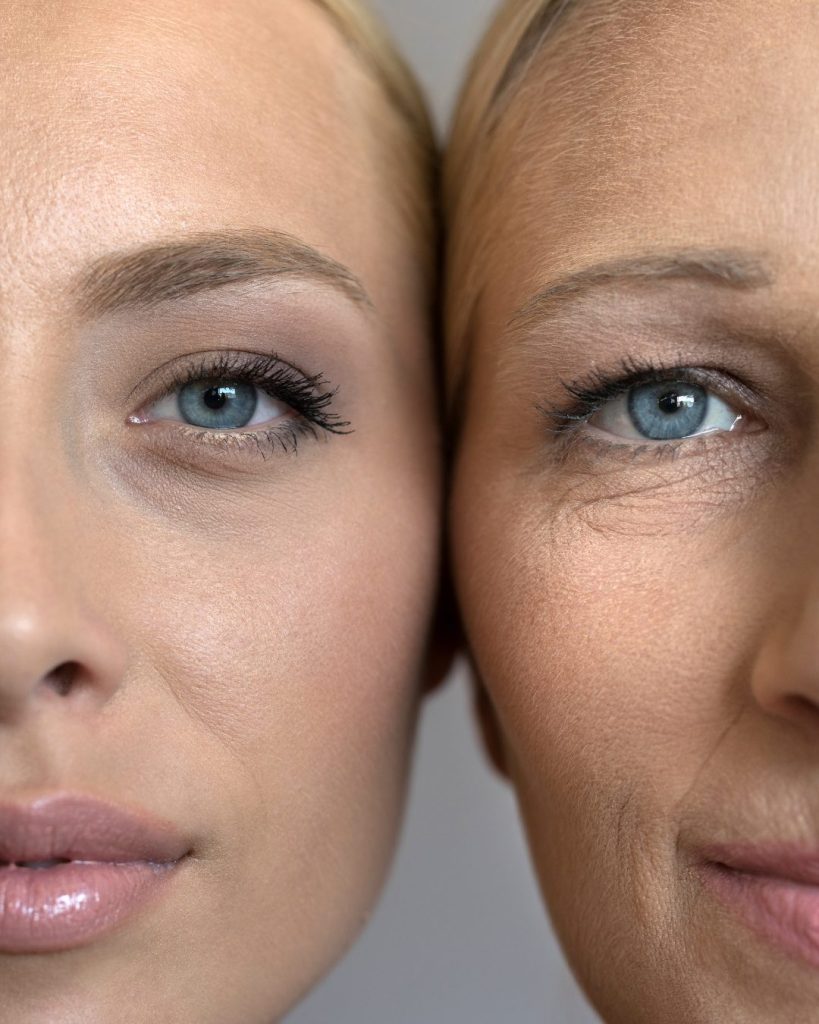
When you reach my age (44), the desire for some kind of anti-aging hack becomes almost instinctual. While the little inner hippy voice, encourages embracing middle age with grace and gratitude, I cannot help but get excited about the latest age-defying medical breakthroughs. What I am sharing with you today is particularly fascinating.
Recent research has discovered some intriguing anti-aging compounds, hidden beneath our skin. Scientists have analysed Paracoccus sanguinis, a bacterium found in the blood stream and discovered that its indole-derived metabolites (by-products of the blood bacteria) lowered inflammation and oxidative stress in cultured human skin cells, two fundamental processes that identify skin ageing. This discovery was detailed in a study published in the Journal of Natural Products by the American Chemical Society and the American Society of Pharmacognosy, and it holds potential to redefine approaches to anti-aging treatments.
Uncovering Paracoccus sanguinis
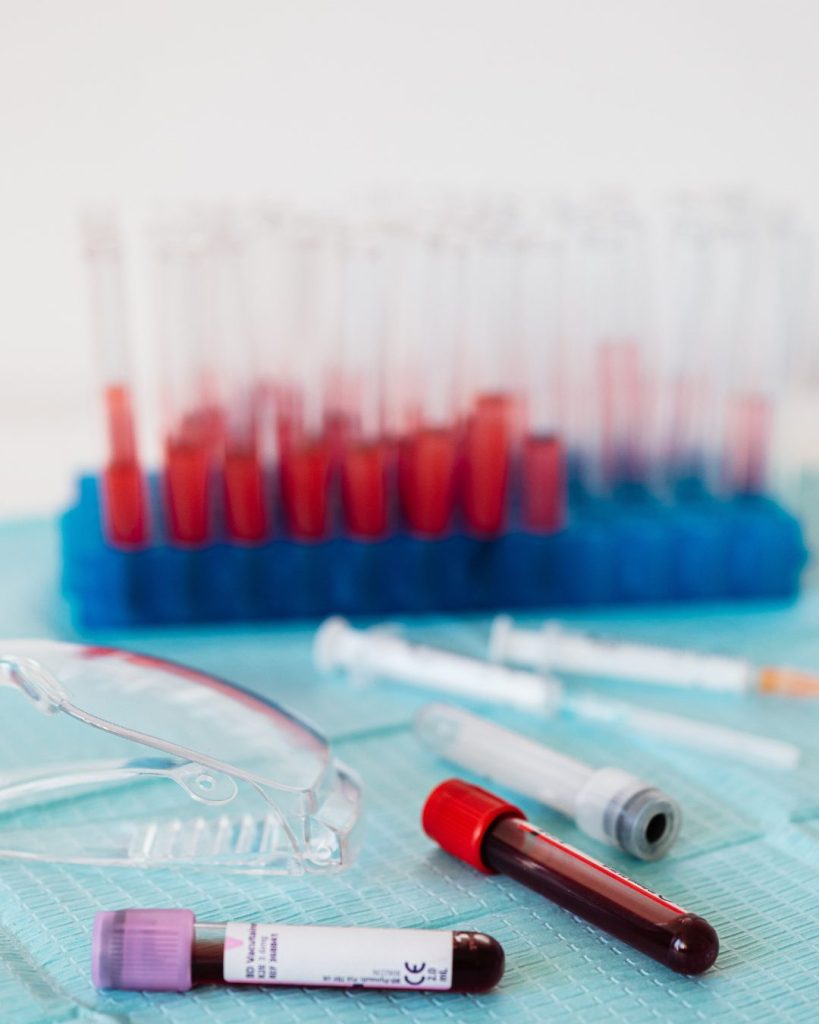
- Research Team: Led by Chung Sub Kim, Sullim Lee, and their colleagues, the team looked at the indole-functionalised metabolites produced by P. sanguinis.
- Methodology: They cultivated the bacteria, extracted the compounds it produced, and conducted a analysis.
- Findings: Among the new molecules identified, three specific indole metabolites showed significant promise. These compounds were effective in reducing inflammation and collagen damage in human skin cell cultures.
Implications for Anti-Aging
- Reducing Inflammation: Inflammation is a crucial factor in the aging process and the metabolites were found to reduce inflammatory responses in skin cells.
- Combating Oxidative Stress: They also mitigated oxidative stress, another key contributor to skin aging.
Potential Future Applications
Skin Creams and Serums: Formulating products that integrate bacterial compounds into a cream or serum.
Personalised Skincare: Future products might be customised based on an individual’s unique skin bacteria to target specific aging concerns.
Post-Treatment Care: After skin treatments, products containing these compounds could be applied to soothe and heal the skin.
Clinical trials have yet to be conducted, therefore it is unclear on exactly how this bacteria would be harnessed and used. It has been suggested that future anti-aging products might not just rely on creams and treatments applied to the skin but it could change how we think about skincare by utilising our body’s own bacteria to help reduce the appearance of aging.